Chris Hall
Personal Trainer and Founder of Hall Personal Training
Female Health Mindset Wellness
December 10, 2025
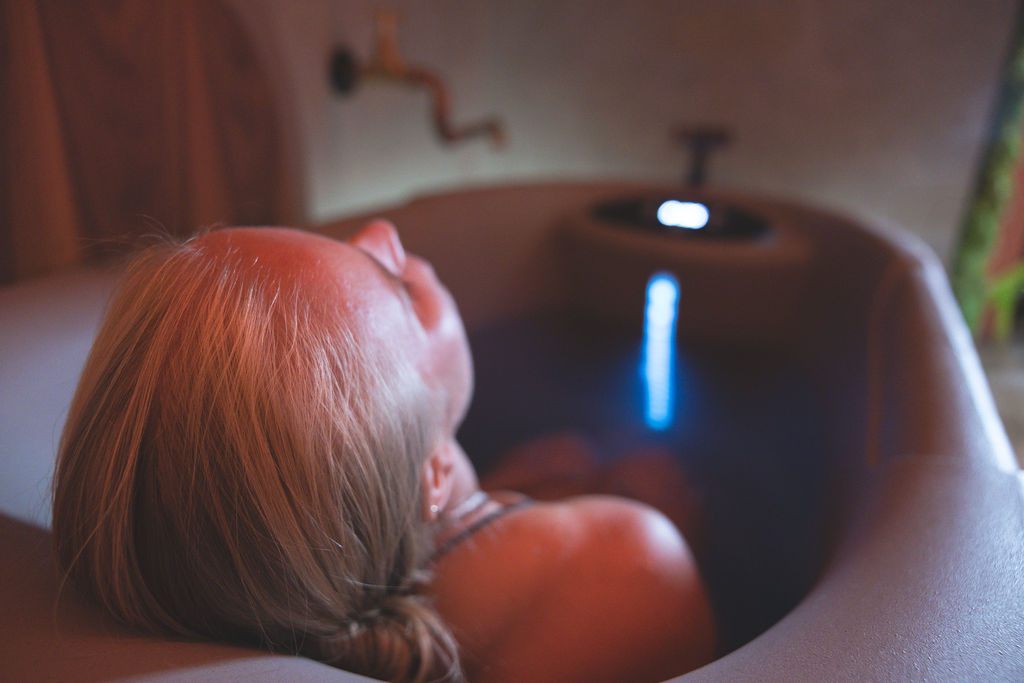
Cold plunging offers unique benefits for women, from supporting energy and mood to helping regulate stress hormones and easing menstrual symptoms. This guide explains why women may respond differently to cold exposure, what science says, and how to start safely as a beginner.
Cold plunging has moved from a niche wellness practice to a mainstream ritual embraced by athletes, entrepreneurs, busy parents, and everyday people looking to reclaim their physical and mental health. But among women, confusion still lingers. Somewhere along the way, claims emerged suggesting that cold exposure might be unsafe, destabilising for hormones, or simply “not meant” for women.
Yet when you look at the science, real-world communities, and the work of experts like Dr Susanna Søberg, Dr Thomas Seager, and Laura Fullerton (founder of MONK), a very different picture emerges:
– Women are not only capable of cold plunging, they may actually be physiologically better adapted to thrive in it.
Below, we break down what the research shows, why women respond to the cold in unique and powerful ways, how the menstrual cycle affects the experience, and how to begin safely if it’s something you want to incorporate into your routine.
It’s true that women often feel cold more readily than men. This is mainly due to differences in muscle mass, body size, and the distribution of insulating fat. But feeling cold does not mean weaker resilience. In fact, studies show women have several advantages when it comes to maintaining stability in cold environments.
Women tend to preserve core body temperature more effectively, even when peripheral temperature (hands, feet, skin) drops. This is partly due to a faster and more efficient vasoconstrictive response, where blood vessels narrow to protect vital organs. This mechanism kicks in earlier in women than men, suggesting a built-in survival advantage.
Dr Susanna Søberg – whose Winter Swimming Study helped redefine modern cold-exposure protocols – notes that women often show remarkably quick adaptation when exposed to cold regularly. Their thermal regulation adjusts swiftly within the first few exposures, making the practice increasingly comfortable over time.
There’s also an emotional and neurochemical component where Dr Søberg reports women demonstrate a stronger release of dopamine, noradrenaline and endorphins, during controlled cold exposure, which may contribute to greater improvements in mood, alertness, heightened clarity, and enhanced emotional resilience post-plunge. This aligns with work by Dr Thomas Seager, who studies cold exposure not just as a physiological stressor but as a tool for psychological training and improved emotional self-regulation.
Better Thyroid Function and Metabolic Health
One of the most fascinating effects of cold exposure is the activation of brown adipose tissue (BAT) – this is a metabolically active type of fat that burns energy to create heat. Activation of BAT improves glucose metabolism, enhances thermogenesis (heat production), and supports thyroid hormone function, which plays a central role in energy production.
For women struggling with low energy, sluggish metabolism or weight fluctuations, this effect can be particularly beneficial. As the body becomes more metabolically flexible, many women experience a boost in daily energy and a reduction in cold intolerance.
Menstrual and Menopausal Symptom Relief
Cold plunging has also been linked to improvements in menstrual and menopausal symptoms. A large survey of more than 1,000 female cold-water swimmers published in the BMJ found significant reductions in cramps, mood swings, low mood, irritability, hot flushes, and anxiety.
While cold exposure isn’t a replacement for medical care, its impact on the autonomic nervous system – switching the body from a stressed state to a calmer parasympathetic/relaxed state – can be hugely supportive during times of hormonal fluctuation. Many peri- and post-menopausal women report that cold plunging helps stabilise their mood and reduce intensity of vasomotor symptoms.
Laura Fullerton has spoken widely about the improvements her female MONK clients experience, especially around emotional stability and cycle regulation, and describes cold immersion as a “reset button” for the nervous system. We’re lucky enough to offer MONK ice bath access in our Avantoº Wellness space.
Stronger Bones and Lower Osteoporosis Risk
Women are more vulnerable to osteoporosis as they age, largely due to hormonal shifts around menopause, such as decling oestrogen Cold exposure may support bone density indirectly through the release of noradrenaline, which influences bone-remodelling and growth processes.
While cold plunging isn’t a stand-alone solution, anything that stimulates bone turnover and metabolic activity contributes to long-term skeletal health. Paired with strength training – a core pillar here at Hall Training – the benefits are more profound.
Enhanced Mood, Stress Resilience and Mental Health
Perhaps the most well-documented benefit of cold exposure is its effect on mental health. A single plunge triggers a rapid rise in noradrenaline and dopamine, sometimes by as much as 250-530%. This chemical profile creates a feeling of elevated mood, sustained energy and improved focus for hours afterwards.
Dr Thomas Seager describes cold immersion as “stress inoculation” a controlled challenge that strengthens psychological resilience. Over time, women often report:
This is why so many women (and men) describe cold plunging as empowering, not because it’s easy, but because it trains the mind as much as the body.
Improvements in Metabolism, Insulin Sensitivity and PCOS-Related Symptoms
Cold exposure improves insulin sensitivity by increasing glucose uptake into the muscles and BAT.
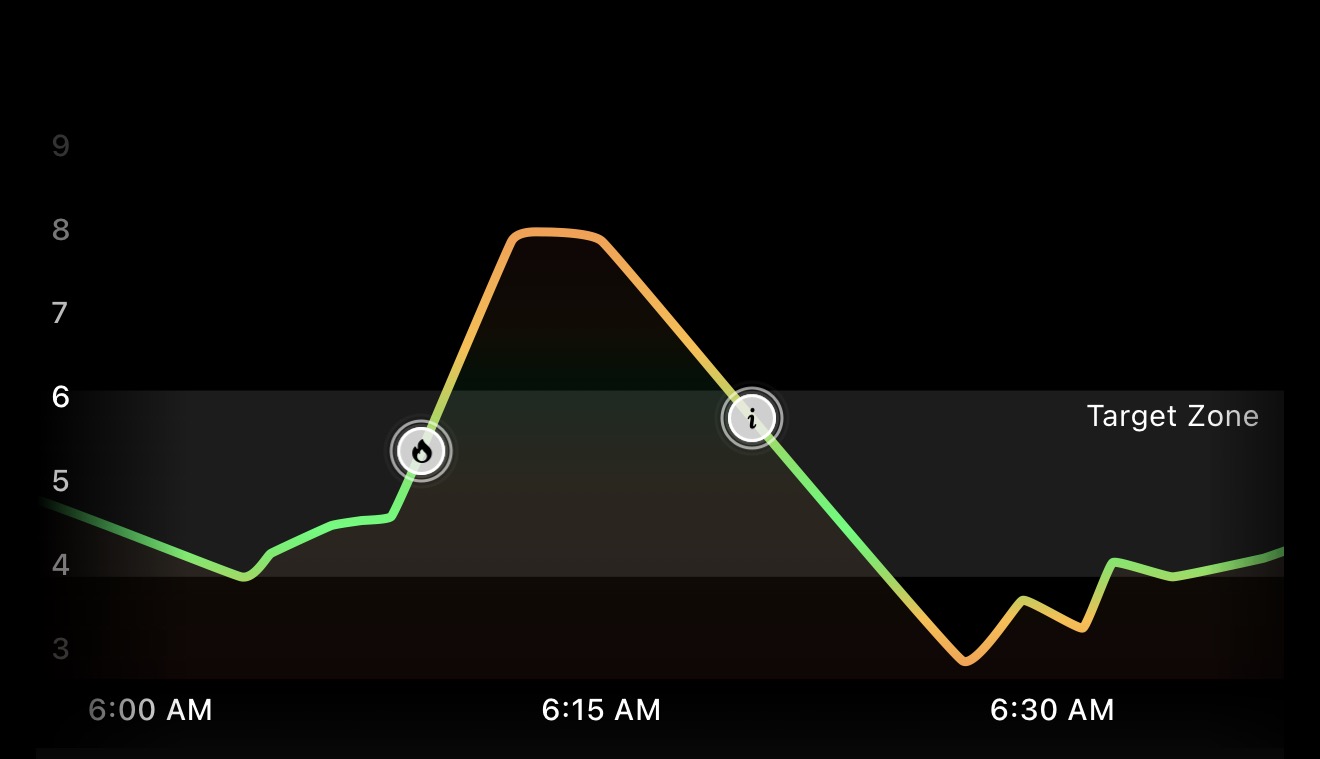
It also influences leptin, the hormone that regulates appetite and energy expenditure.
For women dealing with PCOS or insulin resistance, these shifts can support better metabolic control and reduce certain symptoms tied to hormonal imbalance. Regular cold exposure may also improve inflammatory markers, which are often elevated in PCOS.
Sexual and Reproductive Health Support
There’s growing interest in the ways cold exposure supports reproductive health. Improvements in circulation, inflammation, hormonal regulation, and resilience all contribute to better sexual wellbeing.
Women frequently report increases in libido, greater body confidence, and more consistent energy throughout their cycle. While the research in this area is still emerging, experts like Laura Fullerton and Dr Seager highlight the real-world results seen across thousands of women engaging in regular cold-water practices.
One of the most common questions women ask is:
“Is it safe to cold plunge on your period?”
Short answer: Yes – there is no physiological mechanism that makes cold plunging unsafe on your period. In fact, many women report reduced cramps and more stable mood when using cold exposure during the early and late phases of the cycle
Understanding this pattern helps remove any fear or confusion around fluctuating experiences. Your body isn’t failing you, it’s functioning exactly as it should.
If you’re reading this and think, “I’d really like to give cold plunging a-go” or perhaps you’re new to cold plunging, here’s how to begin safely and confidently:
Cold plunging isn’t something women should be afraid of. It’s something they can fully embrace – with benefits that span mood, metabolism, resilience, hormonal balance, bone health, and overall vitality.
The science supports it.
Experts advocate for it.
Communities of women swear by it.
And with thoughtful guidance, women like yourself of all ages can safely weave cold exposure into their lifestyle – whether for better energy, emotional balance, physical health, or the simple joy of doing something that makes you feel powerful.
Is cold plunging good for women?
Yes! Women often experience strong mood, energy, metabolic, and stress-regulation benefits.
Is it safe to cold plunge on your period?
Yes! It can even reduce cramps and improve mood.
How long should women stay in an ice bath?
Start with 30–60 seconds and build gradually to 2-6 minutes.
Does cold plunging help hormones?
Cold exposure supports dopamine, adrenaline balance, menstrual comfort and stress hormones.
Can cold plunging help with Raynaud’s?
Generally no, as the cold is the exact trigger that causes vasospasm, reduced blood flow and pain. Better options that have proven to help, would include infrared sauna, red light therapy, and gentle contrast therapy – which are available to try at Avantoº.

Chris Hall
Personal Trainer and Founder of Hall Personal Training
you may also enjoy...
Why Most People Never Start Exercising (Even When They Really Want To)

How Many Steps Should I Actually Walk a Day?
We’re Not for Everyone
Not for quick fixes, short-term chasers, or solo lifters
Vitamin D in Winter: Why Your Levels Drop and How to Optimise
beyond just sun and supplements
-200x300.png)
Garlic vs Vampires: The 2025 Scientific Update
Big Garlic doesn’t want you to know this vampire secret
Clear answers
Better training
Yes! Women often experience strong mood, energy, metabolic, and stress-regulation benefits.
here